Welcome to our comprehensive guide to Istrian gastronomy. If you’ve ever dreamed of a place where ancient traditions, world-class ingredients, and passionate local producers come together, you’ve found it. We’re honored to share with you the flavors that have defined our region for centuries—the wines that sing of our terroir, the truffles that emerge from our forests like edible gold, and the olive oil that we proudly claim as the finest in the world.
Istria’s food culture isn’t something we’ve invented for tourists. It’s embedded in our DNA. Generations of farmers, winemakers, and cooks have refined these traditions, and today we’re living through a culinary renaissance. This guide will take you through everything you need to know—whether you’re a serious food traveler, a wine enthusiast, or simply someone curious about what makes Istrian food so extraordinary.
The Holy Trinity of Istrian Gastronomy
When we talk about Istrian food, three ingredients define everything: wine, truffles, and olive oil. These aren’t just products—they’re expressions of our terroir, our climate, and our commitment to quality. In this guide, we’ll explore each one in depth, along with the traditional dishes, markets, and dining experiences that bring them to life.
Table of Contents
- Wines of Istria
- The Truffle World
- Olive Oil: Liquid Gold
- Traditional Dishes
- Markets & Foraging
- Konobas & Restaurants
- Agritourism & Food Experiences
- Seasonal Food Calendar
- Practical Dining Tips
Wines of Istria: A Liquid Expression of Terroir
When visitors first taste an Istrian wine, many experience a moment of revelation. Our wines aren’t trying to compete with Bordeaux or Tuscany—they’re utterly themselves. The limestone soil, the Adriatic breezes, and decades of viticultural tradition combine to create wines of remarkable character and complexity.
Malvazija: The Golden Wine
Malvazija is Istria’s signature white wine, and for good reason. This golden-hued wine carries notes of stone fruit, herbs, and minerality that speak directly to our landscape. Whether you’re sampling a crisp young vintage or a more complex barrel-aged expression, Malvazija pairs beautifully with seafood, fresh pasta, and our lighter dishes. If you want to dive deep into understanding this wine, our complete Malvazija guide will walk you through every aspect, from production methods to the best vintages.
Teran: The Bold Red Heart
If Malvazija is Istria’s gentle poet, Teran is our passionate artist. This deep, complex red wine made from the Refoški grape is not for the faint of heart. It’s full-bodied, tannic, and absolutely magnificent with hearty meat dishes, rich cheeses, and aged prosciutto. Learn more about Teran’s history and what makes it so special in our dedicated guide.
Exploring Wine Regions & Wineries
Istria’s wine country is some of the most beautiful in Europe, and the best way to experience it is through personal visits. Whether you’re visiting world-class wineries or small family producers, you’ll encounter passionate people who love what they do.
Our guide to the top 10 wineries in Istria will introduce you to the producers we recommend most highly. And if you’re planning a self-driving adventure, our complete guide to Istrian wine roads will help you plan the perfect route, with practical advice on timing, which roads to take, and what to expect.
Don’t miss Momjan, the picturesque village where wine dreams come true. This small hilltop settlement has become legendary among wine lovers for its concentration of quality producers and its stunning views across the Istrian countryside.
The Truffle World: Istria’s Forest Treasure
Mention Istrian truffles to food lovers anywhere in the world, and you’ll see their eyes light up. For good reason—our white and black truffles are considered among the finest on earth. These mysterious fungi, which emerge from the forest floor in specific seasons, have enchanted chefs and food travelers for generations.
Understanding Truffles: White vs. Black
Istria produces both white and black truffles, and understanding the differences between them will help you appreciate them more fully. Our comparison of white and black truffles from an Istrian perspective explains the flavor profiles, uses, and price differences between these two magical varieties.
Truffle Hunting: An Adventure
One of the most memorable experiences you can have in Istria is truffle hunting. Picture yourself in an ancient forest, walking alongside a specially trained dog, waiting for that moment when the dog catches a scent and begins to dig. It’s part treasure hunt, part adventure, and entirely unforgettable.
Our ultimate guide to truffle hunting in Istria’s forests will walk you through the experience—what to wear, how the dogs work, where to go, and what to expect. We also cover truffle season in detail, including the best times to hunt and where to find truffles throughout the year.
Livade: The Truffle Capital
If any place deserves the title of truffle capital of the world, it’s Livade. This small village in Motovun district has become synonymous with truffles, and with good reason—the surrounding forests produce some of the finest specimens on earth. Learn more about Livade, and discover why truffle hunters from across Europe come here during the season.
Dining with Truffles
While truffle hunting is an adventure, dining on truffles is a celebration. Istrian chefs have an intuitive understanding of how to use these precious ingredients—shaving white truffles over creamy pasta, incorporating black truffles into risotto, infusing truffle oil into simple dishes. The results are nothing short of magical.
Our guide to the best truffle restaurants in Istria goes beyond the famous names to help you discover where the finest truffle cuisine is happening right now. Whether you’re looking for upscale dining or casual konoba experiences, we’ve got recommendations that will make your meal unforgettable.
Olive Oil: Liquid Gold from the Adriatic
Ask any food expert where to find the world’s best olive oil, and many will point to Istria. Our olive oils have won international competitions year after year, and once you’ve tasted them, you’ll understand why. The combination of our Mediterranean climate, limestone soil, and traditional production methods creates oils of extraordinary complexity and character.
What Makes Istrian Olive Oil Special
Istrian olive oil isn’t just about flavor—though the flavor is remarkable. It’s about heritage. Many of our olive groves have been producing oil for centuries, passed down through generations of families who understand the land intimately. This connection between people and place shows in every bottle.
Our comprehensive Istrian olive oil guide covers everything from the varieties we grow to the harvest and production methods. And if you want to know which producers are winning international awards, our guide to award-winning olive oils from Istria introduces you to the oils we think are the finest examples of what our region can produce.
How to Taste Olive Oil Like a Local
Tasting olive oil properly is an art form. Here’s how we do it in Istria: Pour a small amount—about a tablespoon—into a small glass. Warm it slightly in your hands to release the aromatics. Smell deeply, noting the fresh, grassy, or herbaceous notes. Then taste it, allowing the oil to coat your mouth before swallowing. Notice the peppery finish, the complexity, the way it evolves on your palate.
The finest Istrian olive oils are best enjoyed simply—drizzled over bread, added to soups at the last minute, or used to finish a perfectly cooked piece of fish. Save them for uses where their character can shine.
Traditional Dishes: The Heart of Istrian Cuisine
While truffles, wine, and olive oil capture the imagination, the true heart of Istrian cooking lies in traditional dishes passed down through generations. These are the foods our grandmothers made, adapted from even older recipes, reflecting centuries of history and cultural exchange.
Pasta: The Soul of Istrian Cooking
In Istria, we have our own pasta traditions, distinct from Italian cuisine. Fuži and pljukanci are hand-rolled pasta shapes that have been made here for centuries. Fuži is shaped like a tight spiral, while pljukanci are broader, more rustic ribbons. Both are perfect vehicles for rich sauces and simple preparations.
Our complete guide to fuži and pljukanci covers the history of these pastas, how they’re made, and the best traditional preparations. Many konobas still make their pasta fresh daily—a visit to watch this process is worth the trip alone.
Maneštra: Soup of the Soul
Maneštra is a hearty vegetable and bean soup that appears on tables throughout Istria, especially in autumn and winter. Each family has their own version, often featuring seasonal vegetables, beans, and sometimes pasta or grains. It’s comfort in a bowl, the kind of food that makes you understand why people love a place.
Prosciutto and Cured Meats
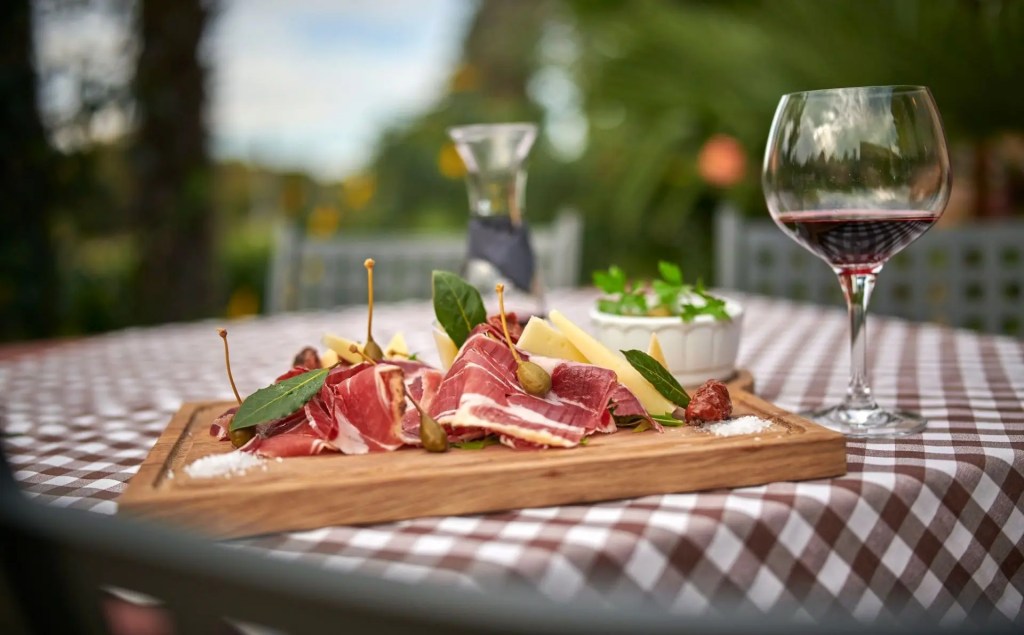
Istrian prosciutto, cured slowly in our cool, salty air, has a flavor unlike any other ham in the world. It’s sweet, delicate, and complex—a reflection of the local breed of pig and our centuries-old curing traditions. Pair it with fresh figs or melon, or simply enjoy it with a glass of Malvazija.
Seafood: A Mediterranean Bounty
With the Adriatic at our doorstep, seafood plays a crucial role in Istrian cooking. Grilled fish, simply prepared with olive oil and herbs, is a staple. Scampi, mussels, squid, and octopus appear in soups, risottos, and pasta dishes. The best seafood restaurants source from local fishermen and prepare their catch the same day.
Markets & Foraging: Where Food Comes Alive
To truly understand Istrian food, you need to visit a market. Here’s where you’ll encounter the seasonal rhythms of the region, meet local producers, and discover ingredients you didn’t know existed.
Pula Market: The Heart of Istrian Food Culture
Pula Market is the beating heart of Istrian food culture, and a visit should be on every food traveler’s itinerary. Open each morning, the market bursts with color and activity as vendors sell fresh produce, fish, meat, cheese, and prepared foods. Arrive early, bring cash, and prepare to be overwhelmed by abundance.
Seasonal Shopping & Foraging
Istrians are a people deeply connected to the seasons. In spring, wild asparagus and spring greens appear. Summer brings tomatoes, zucchini, and stone fruits. Autumn is mushroom season—and not just truffles. Winter brings citrus, root vegetables, and hearty greens. Shopping seasonally means eating foods at their peak of flavor and nutrition, and it’s how we’ve always done it.
Many locals still forage for wild foods—mushrooms, greens, berries, and herbs. If you’re interested in learning to do this yourself, many local guides offer foraging tours that will teach you which plants are safe to eat and where to find them.
Konobas & Restaurants: Where Istrian Food Comes Alive
A konoba is more than a restaurant—it’s a gathering place, a keeper of traditions, a expression of local values. The word literally means “tavern” or “wine cellar,” and traditionally these were simple rooms where locals would gather to eat, drink wine, and socialize. Today, many have evolved into proper restaurants, but the spirit remains the same.
How to Find a Good Konoba
Here’s what we look for when seeking an authentic konoba: First, look for places where locals eat. If you see a full dining room of Istrians speaking Croatian, you’re in the right place. Second, check whether they make pasta fresh or have a simple menu that changes seasonally. Third, look at the wine list—are they featuring local producers? Finally, notice the atmosphere. A good konoba should feel relaxed, unpretentious, and welcoming.
Don’t be put off by simple decor or plastic chairs—some of the best Istrian food we’ve ever eaten has come from modest-looking places. The quality of the food and the warmth of the welcome matter far more than fancy furnishings.
What to Order
When you enter a konoba, resist the urge to order immediately. Ask your server what’s special today, what they’re known for, what local producers they’re using. Many will recommend their house specialties or daily specials. These recommendations reflect what’s best right now, often what came from the market that very morning.
If you see fresh truffles on the menu during season, order them. If there’s local prosciutto and cheese, get a plate. Seafood in a konoba overlooking the coast? Order it. These are the moments that travel memories are made from.
Agritourism & Food Experiences: Living Like a Local
Some of the most meaningful ways to experience Istrian food culture involve directly participating in how our food is made and grown. Agritourism experiences—working alongside locals during harvests, learning to cook traditional dishes, visiting family farms—create memories that will last a lifetime.
Olive Harvest: Participating in Autumn Tradition
If you visit in autumn, consider participating in an olive harvest. Many family producers welcome visitors to spend a day picking olives, learning about the process, and watching their fruit being turned into oil. It’s physically demanding but deeply rewarding work, and you’ll leave with a profound respect for the product.
Grape Harvest: September’s Celebration
September brings grape harvest season, and many wineries invite visitors to participate. You’ll pick grapes alongside the winery team, understand the care that goes into selecting perfect fruit, and celebrate the harvest with local wine and food at day’s end.
Cooking Classes & Food Workshops
Learning to cook Istrian food from someone who grew up cooking it is invaluable. Many local cooks and konoba chefs offer cooking classes—sometimes in their own kitchens, sometimes in cooking schools. You’ll learn traditional techniques, understand ingredient selection, and create meals you’ll want to recreate at home.
Farm Stays & Wine Tourism
Several family farms and wineries offer accommodation alongside food and wine experiences. Staying on a property, eating meals prepared from the farm’s own produce and wine, understanding the daily rhythms of agricultural life—this is deep cultural immersion.
Seasonal Food Calendar: What to Eat & When
Istrian food is deeply seasonal, and understanding what’s in season when will help you eat and cook like a local.
Spring (March-May): Awakening
Spring brings wild asparagus, spring greens, early peas, and fresh herbs. Artichokes appear in markets. Local fishermen catch scampi and fresh fish. This is the season of light, fresh preparations—grilled vegetables with good olive oil, pasta with spring vegetables, fish grilled simply with herbs.
Summer (June-August): Abundance
Summer is when Istrian markets explode with color. Tomatoes, zucchini, peppers, eggplant, fresh herbs, stone fruits. The sea is warm and full of fish. This is the season of outdoor dining, fresh salads, grilled fish and vegetables, light wines served chilled. It’s also truffle season for black truffles.
Autumn (September-November): Harvest
Autumn brings grape harvest and mushroom season. Wild mushrooms of all varieties appear in markets and on restaurant menus. This is when white truffles emerge. Root vegetables, squashes, and hearty greens dominate. The cooking becomes richer, more robust. Stews, risottos, pasta with ragûs appear on tables.
Winter (December-February): Comfort
Winter is the season of citrus, hearty greens, root vegetables, and preserved foods. Maneštra soup, dried pasta with rich sauces, aged prosciutto and cheese, dried mushrooms in winter risottos. This is also the height of white truffle season. The cooking is warming, comforting, designed to sustain you through cool months.
Practical Dining Tips: What You Need to Know
A few practical points to help you navigate dining in Istria successfully:
Dining Hours
Lunch is typically served from 12:00 to 15:00, and dinner from 19:00 to 23:00. Most restaurants close between these times. It’s common to dine quite late by American or Northern European standards—8 or 9 PM is not unusual for dinner to start.
Portion Sizes
Portions in Istrian restaurants can be quite generous, especially in traditional konobas. It’s perfectly acceptable to ask about portion sizes before ordering, or to share dishes. Many restaurants are happy to prepare half portions if you request it.
Tipping & Payment
Tipping is not as customary in Istria as in some countries, but it’s certainly appreciated. 5-10% for good service is generous. Most restaurants accept both cash and cards, though some smaller konobas may be cash-only—it’s worth asking in advance.
Reservations & Planning
During high season (July and August) and for special experiences like truffle dinners, reservations are essential. Many family-run restaurants may have limited seating, so calling ahead is wise. English is widely spoken in tourist areas, though basic Croatian phrases will be warmly received.
Dietary Restrictions
Istrian cuisine is historically based on meat, fish, dairy, and vegetables. Vegetarian options are increasingly available, especially in tourist areas, though you may need to ask. Vegan dining can be more challenging—notify restaurants in advance if possible so they can prepare something special.
What to Bring Home
Consider bringing these edible souvenirs back from Istria: award-winning olive oil, a bottle of wine from a winery you visited, packaged truffles or truffle-based products, locally produced honey or preserves, and packages of fuži or pljukanci pasta. These gifts will remind you of your travels every time you cook.
A Final Word
Istrian food culture is built on relationships—between people and the land, between seasons and crops, between tradition and innovation. When you eat here, you’re participating in something much larger than a meal. You’re honoring the work of farmers and fishermen, celebrating centuries of culinary tradition, and sharing in the values that make our region special.
We invite you to come experience Istrian food and wine not as a tourist, but as a guest. Visit our markets, eat in our konobas, taste our wines, hunt for our truffles, and harvest our olives. In doing so, you’ll understand not just what we eat, but who we are. Welcome to Istria—we can’t wait to feed you.
 Istria.me
Leave a comment