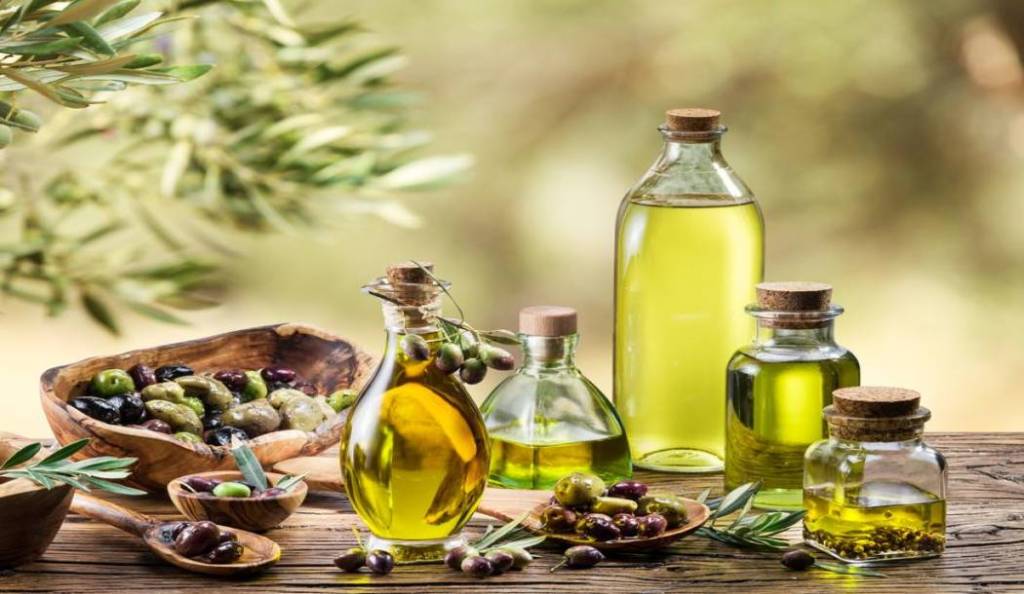
There is a moment during an Istrian autumn that stays with you forever: the air turns cool, the hillsides blush gold and copper, and across the peninsula, families gather around ancient stone mills to press the season’s first olives. The oil that pours out — vivid green, peppery, alive — is not just a condiment. It’s the liquid soul of this place. And the rest of the world has finally noticed.
For nine consecutive years, the prestigious Flos Olei international guide has named Istria the world’s best region for extra virgin olive oil — ahead of Tuscany, Puglia, and Andalusia. In the latest edition, 73 Istrian producers made the cut out of the world’s top 500, accounting for a remarkable 14% of the entire guide. For a peninsula you can drive across in an hour, that’s extraordinary.
A History Written in Stone and Soil
Olives have been pressed on this peninsula since Roman times. In Pula’s amphitheater, you can still see ancient terracotta amphorae inscribed with the Latin words Olei Histrici — Istrian oil — and Olei flos, meaning first-press oil. On the island of Veliki Brijuni, a 1,600-year-old olive tree still stands, a living monument to a tradition that never truly disappeared.
But let’s be honest: for a long time, quantity mattered more than quality here. The real revolution began in the 1990s. In 1994, the entire peninsula had roughly 350,000 olive trees and just three oil mills. Today? Over 1.8 million trees and at least 30 modern mills, many equipped with cutting-edge Italian extraction technology. A new generation of farmers decided that Istria’s oil deserved to stand alongside its truffles and wines as a world-class product — and they were right.
The Varieties: Meet the Local Cast
What makes Istrian olive oil taste different from, say, a Tuscan or Spanish oil? It starts with our indigenous varieties — grapes of the olive world that grow nowhere else quite like they do here.
- Buža: The most widespread variety in Istria, also known locally as burgaca or domaća (“the local one”). Buža produces a beautifully balanced oil — if harvested early, expect pleasant bitterness and spice; if later, a sweeter, fruitier character with ripe stone-fruit notes. It’s the crowd-pleaser.
- Istarska Bjelica: The tough one. This hardy variety thrives in wind and cold, and it produces an oil that is intensely green, peppery, and loaded with polyphenols (those healthy antioxidants everyone talks about). If you like your oil with a kick that catches the back of your throat, Bjelica is your variety.
- Črnica: The dark-skinned beauty. Less common but prized for its delicate, mild oils with floral and almond notes.
- Karbonaca, Žižolera, Rošinjola, Puntoža: Rarer native varieties that individual producers champion in single-varietal bottlings. Each brings its own personality — seek them out at tastings for a true deep dive.
You’ll also find Italian cultivars like Leccino, Frantoio, and Pendolino, often blended with indigenous varieties to create complex, layered oils.
The Producers: Names You Should Know
Istria’s olive oil scene is driven by passionate small producers — families who know every tree by name. Here are some of the standouts:
- Mate (Savudrija): The first Croatian oil to score a perfect 100 in Flos Olei — and then did it again the following year. Their Bianca Bellezza entered the guide’s Hall of Fame, placing it among just nine oils worldwide. Aleksandra Vekić manages some 27,500 trees across 69 hectares.
- Chiavalon (Vodnjan): Perhaps the most recognized name in Croatian olive oil. Sandi Chiavalon has won practically every award there is, and his oils — especially the flagship blend — are a masterclass in balance. The tasting room in Vodnjan is a must-visit.
- Olea BB (Labin): Consistently scoring 99 in Flos Olei, this small producer from the eastern coast proves that world-class oil comes from every corner of the peninsula.
- Ipša (Livade): Another 99-scorer, located in truffle country near Livade. Their oils are intense and complex — perfect for drizzling over fresh truffle dishes.
- Avistria: The most decorated Croatian producer in the Olive Oil Times World Ranking, leading the gold medal count at the 2026 NYIOOC competition in New York.
Other names worth seeking out include Belci, Zubin, Grubić, Červar, Negri, and Monte Rosso — all scoring above 95 in international guides.
How to Taste Like a Local
Forget everything you know about dipping bread in oil at Italian restaurants. A proper Istrian olive oil tasting is closer to wine tasting:
- Warm the glass. Pour the oil into a small blue glass (blue so the color doesn’t bias you). Cup it in your hands to warm it to about 28°C.
- Smell first. Swirl and inhale. You should get fresh-cut grass, green tomato, artichoke, or ripe fruit depending on the variety and harvest time.
- Sip and slurp. Take a small sip and draw air through it (yes, it sounds funny). The bitterness on your tongue and the peppery kick in your throat are good signs — they indicate high polyphenol content.
- Note the finish. Great oil has a long, evolving finish. Cheap oil just… stops.
Where to Experience Istrian Olive Oil
Almost every serious producer offers tastings, often paired with local cheese, prosciutto, and bread. Here’s how to plan your liquid gold trail:
- Northwestern Istria (Buje, Brtonigla, Savudrija): The densest concentration of top producers. You can visit three or four mills in a single morning.
- Vodnjan: Just north of Pula, this town has become an olive oil pilgrimage site thanks to Chiavalon and several other excellent producers.
- Eastern Istria (Labin, Rabac area): Less crowded, equally excellent. Olea BB and other producers offer intimate tastings with stunning Kvarner Bay views.
- Olive oil festivals: The annual events in Vodnjan and across the peninsula (usually November) are the best way to taste dozens of oils in one place.
Pairing Istrian Oil with Food
The golden rule: never cook with your best oil. Save premium extra virgin for finishing — that final generous drizzle that makes everything sing.
- Grilled fish: A robust Bjelica oil over fresh sea bass is pure Adriatic perfection.
- Fuži with truffles: The peppery oil cuts through the richness of truffle dishes beautifully.
- Bruschetta with tomatoes: Simple, but with great oil, it becomes transcendent.
- Vanilla ice cream: Trust us. A drizzle of grassy, peppery oil with a pinch of flaky sea salt over good vanilla gelato is the unexpected pairing that converts skeptics.
Buying Tips: What to Look For
Before you stuff your suitcase with bottles (and you will), keep these tips in mind:
- Look for the harvest date, not just the expiry date. You want oil from the most recent harvest (October–November).
- Dark bottles only. Light degrades olive oil. If it’s in a clear bottle on a sunny shelf, walk away.
- Buy directly from producers when possible. Prices are better, and you’ll get the freshest stock.
- Don’t be shocked by the price. A 500ml bottle of award-winning Istrian oil costs €15–30. Compare that to what you’d pay for a mediocre supermarket bottle back home — it’s a bargain for the quality.
Istrian olive oil is more than a product — it’s a story of a small peninsula that decided to be the best in the world, and actually did it. Whether you visit during the green-gold harvest in November or simply drizzle it on your morning bruschetta in July, every drop carries the sun, the soil, and the stubborn pride of Istria.
Want to go deeper? Read about award-winning Istrian olive oils you need to try, or explore the truffle country near Livade where many top producers are based.
Planning your Istrian adventure? Explore our Istria Food & Wine Guide or check out our Things to Do in Istria.
 Istria.me
Leave a comment