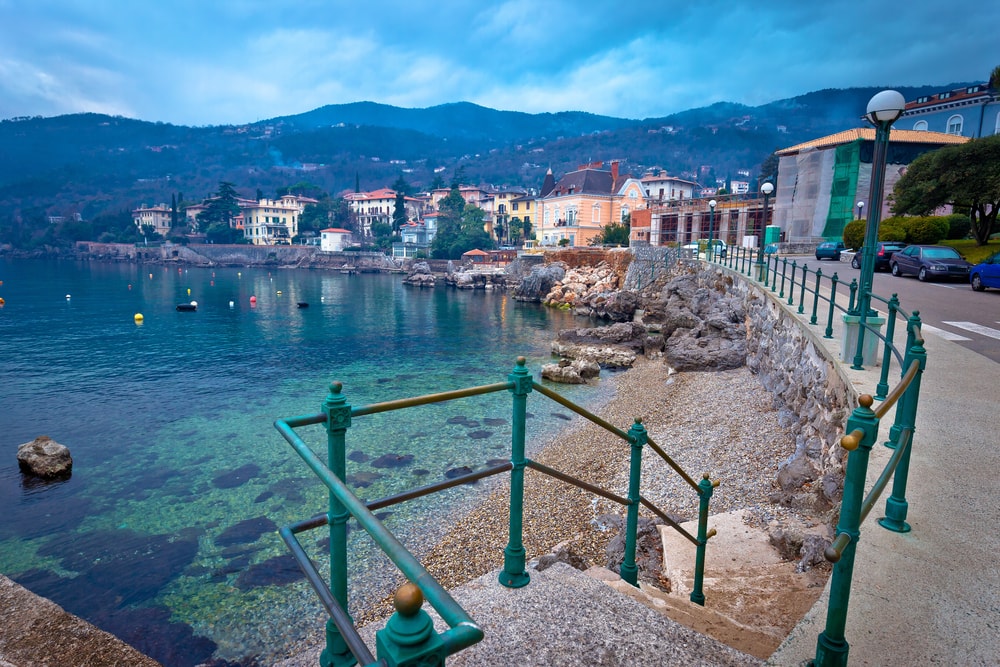
There’s something almost magical about how much Istria manages to pack into such a small corner of the world. When we say our peninsula has three distinct layers — the wild interior with its truffle forests, the hilltop villages perched above vineyards, and the dramatic Adriatic coast — we’re not exaggerating. You could visit for a week and barely scratch the surface, or come back five times and still find something new waiting for you.
Whether you’re a food lover, history buff, adventure seeker, or someone who just wants to relax by the sea, Istria has something that will speak to you. This guide covers everything we think is worth doing here — organized by interest, season, and energy level. We’ve lived here, explored here, and we want to help you make the most of your time in our beloved peninsula.
Table of Contents
- Food & Wine Experiences
- History & Culture
- Beaches & Coast
- Nature & Hiking
- Water Sports & Sailing
- Unique Experiences
- Family-Friendly Activities
- Activities by Season
- Practical Tips
Food & Wine Experiences
Let’s be honest: some of the best moments in Istria involve food and wine. Our peninsula is gastronomically intense in the best possible way, and we’ve curated these experiences because they’re genuinely transformative.
Truffle Hunting in the Misty Forests
There’s nothing quite like the experience of hunting for truffles. You’ll head out into our inland forests with a local guide and a trained dog, searching for “black gold” buried beneath the soil. It’s part mystery, part meditation, and entirely unforgettable. The experience is seasonal and requires some planning, but it’s one of those things that makes Istria unique in all of Europe.
Want the full rundown? Our Ultimate Guide to Truffle Hunting in Istria’s Forests covers everything from what to wear to what to expect. For timing, check our guide on Truffle Season in Istria — knowing when and where to hunt makes all the difference.
Wine Road Self-Driving Tours
Istria’s wine roads are some of the most scenic driving routes in Croatia, and they’re designed specifically for visitors. You’ll wind through vineyards, stop at family-run wineries, and taste some of the best Malvazija and Teran you’ve ever had. The best part? You set your own pace, stop whenever something catches your eye, and discover tiny wine bars in villages you didn’t even know existed.
Our Complete Guide to Istrian Wine Roads maps out the routes and tells you which wineries are worth your time. For a more curated experience, see our picks for the Top 10 Wineries in Istria.
Olive Oil Tasting Experiences
Istrian olive oil is liquid gold — literally. Many estates offer tastings where you’ll learn to detect the subtle differences between oils from different regions and harvest times. A proper tasting is like wine appreciation: fruity notes, peppery finishes, everything matters. Some producers even pair their oils with local cheeses and bread for a truly memorable experience.
Deep dive into this with our Guide to Istrian Olive Oil, which tells you everything about production and where to taste.
Pula Market Food Tours
The Pula market comes alive early in the morning with vendors selling everything from fresh seafood to seasonal vegetables to local cheese. It’s where locals still do their daily shopping, and it’s one of the most authentic Istrian experiences you can have. Walk the stalls, chat with vendors, taste samples, and come away understanding what Istrians actually eat every day.
Get the full picture in our Guide to the Pula Market.
Konoba Hopping & Cooking Classes
A konoba is a traditional tavern, usually family-run, serving honest food cooked the way it’s been made for generations. Hopping from konoba to konoba is how we eat and socialize in Istria. Some konobi now offer cooking classes where you’ll learn to make pasta from scratch, prepare fresh fish, or master the art of slow-cooked Istrian stews. It’s hands-on, delicious, and you go home with both skills and memories.
History & Culture
Istria’s history is layered and complex — Roman, Venetian, Austrian, Italian, Yugoslavian — and it’s written all over our landscape. You can spend weeks exploring historical sites and barely repeat a visit.
Pula Arena: Walk Through Roman History
The Pula Arena is one of the best-preserved Roman amphitheatres outside of Italy. Standing in the middle of it, you can almost hear the echoes of gladiatorial combat and public spectacles from nearly 2,000 years ago. Visitors can walk through the corridors, climb to the upper levels, and sometimes catch concerts and theatrical performances that use the amphitheatre as a stage — which is breathtaking.
Euphrasian Basilica in Poreč
This 6th-century basilica is a UNESCO World Heritage site and one of the most important Byzantine monuments in Europe. The golden mosaics inside are stunning, and the entire complex — basilica, baptistry, and bell tower — tells the story of how Istria was shaped by the Byzantine empire. The views from the bell tower are also spectacular.
Pazin Castle & Jules Verne’s Cave
Pazin Castle dominates the landscape above the inland town of Pazin, and below it runs the Pazinčica River — which disappears underground through a massive cave opening. Jules Verne was inspired by this very cave when writing his novel, and you can explore it today by boat or on foot. It’s surreal and atmospheric, especially if you go in the late afternoon when light filters through the opening.
Motovun Medieval Walls
Motovun sits high on a hilltop, surrounded by intact medieval walls that you can walk around entirely. The view from the top takes in the entire Mirna River valley, and the village itself is a maze of stone streets and shuttered houses that feel frozen in time. Visit in the evening when day-trippers leave and you’ll have the walls almost to yourself.
The Glagolitic Alley
This scenic drive through the Mirna Valley features giant stone tablets carved with the ancient Glagolitic script — the alphabet used in the region before the Latin alphabet. It’s a beautiful way to learn about our unique cultural heritage, and the villages along the route are charming and filled with local crafts.
Vodnjan’s Ancient Mummies
The Church of St. Blaise in Vodnjan contains an extraordinary collection of naturally mummified remains of saints and local clergy. It’s unusual, fascinating, and genuinely moving — and it tells you about medieval Istrian devotion and the specific conditions that created these natural mummies.
Beaches & Coast
Istria’s coastline is varied — rocky coves, sandy beaches, wild pebble shores, and hidden spots accessible only by water. We don’t have long sandy beaches like other parts of Croatia, but what we do have is character.
Kamenjak: Wild Beaches & Untamed Coastline
Cape Kamenjak at the southern tip of Istria is a protected nature reserve with some of the most wild and unspoiled beaches you’ll find. The land is rocky, windswept, and beautiful. There are no commercial restaurants, so bring a picnic. It’s perfect for people who want solitude and dramatic scenery.
Rovinj Sea Caves & Coastal Beauty
The coast near Rovinj is studded with sea caves and hidden coves. You can explore them by boat, kayak, or swimming. The town itself is picturesque — a Venetian harbor surrounded by terracotta-roofed buildings — and makes a perfect base for coastal exploration.
Rabac: Pearl of Kvarner Bay
Rabac is a small coastal town with a long sandy beach — a rarity in Istria. The water is clear, the town is friendly and low-key, and it’s perfect if you want a classic beach holiday with the option to explore nearby Venetian towns. Learn more in our Complete Guide to Rabac.
Medulin Sandy Shores & Water Sports
Medulin, on Pula’s doorstep, offers sandy beaches and a more developed tourist infrastructure while still maintaining a local feel. It’s great for families, and there are plenty of water sports operators offering rentals and lessons.
Koversada Naturist Beach Near Vrsar
For those interested in naturist swimming, Koversada near Vrsar is well-established and welcoming. The setting is beautiful, and the atmosphere is relaxed and inclusive. Even non-naturist visitors appreciate the stunning Adriatic coastline nearby.
Verudela Beach in Pula
Just outside Pula city center, Verudela is an easily accessible beach with calm water, shaded areas, and nearby restaurants. It’s perfect if you’re based in Pula and want a quick beach day without traveling far.
Nature & Hiking
Istria’s interior is a hiker’s paradise — dense forests, river valleys, and mountain peaks with sea views. The variety means you can do anything from a gentle riverside walk to a challenging mountain trek.
Učka Mountain Summit & Alpine Views
Mount Učka is the highest peak in Istria and on a clear day you can see from the Adriatic to the Alps from the summit. The drive to the top takes about 30 minutes, or you can hike various routes of different difficulties. The summit area has restaurants and hiking trails that radiate outward, making it accessible to different fitness levels.
Lim Fjord Boat Trips & Kayaking
The Lim Fjord is a dramatic sea inlet surrounded by limestone cliffs and dense forest. You can explore it by boat, kayak, or even swimming. The town of Vrsar sits at the mouth of the fjord. Check out our Guide to Vrsar and the Lim Fjord for details on how to spend time here.
Palud Bird Reserve
This wetland reserve near the coast is a paradise for birdwatchers, especially during migration seasons. The Palud reedbed is one of the largest in the Mediterranean, and it’s home to species you won’t see elsewhere in Europe. Binoculars and patience are all you need.
Baredine Cave: Underground World
This stalactite cave near Poreč descends 60 meters underground and is genuinely spectacular. Tours are guided, well-organized, and suitable for families. You’ll see underground lakes, towering stalagmites, and an ancient well where local people once drew water.
Parenzana Cycling Trail: Historic Rails
This restored railway line has been converted into a cycling and walking path that connects Trieste (Italy) to Poreč (Istria). It’s a gentle, flat route that passes through villages, vineyards, and forests. You can do sections of it, and it’s suitable for families and casual cyclists.
Water Sports & Sailing
The Adriatic around Istria is perfect for water sports of every kind. Whether you want to glide silently over coral reefs or feel the spray of a speedboat, there’s something for you.
Sea Kayaking Along Rocky Coves
Sea kayaking lets you access small beaches and caves that are unreachable by land. Tours operate from Rovinj, Vrsar, and other coastal towns. You’ll paddle past towering cliffs, through sea caves, and often spot fish and seabirds. No experience is necessary — guides cater to all levels.
Diving & Wreck Exploration
Istrian waters are rich with history, and that includes shipwrecks. Dive operators offer wreck dives suitable for certified divers. You’ll explore World War II wrecks, Roman anchors, and other underwater historical sites. The water clarity is excellent, especially in spring and fall.
Sailing & Yacht Chartering
Sailing is a way of life in Istria. You can charter a yacht, rent a catamaran, or join a day sail from any coastal town. The Adriatic has reliable winds, beautiful anchorages, and a well-developed infrastructure for sailors. For an epic multi-day journey, check out our 30-Day Boating Itinerary from Pula to Dubrovnik to see what’s possible.
Brijuni Island Day Trips
Brijuni is a national park accessible by ferry from Fažana. The islands are car-free and filled with Austro-Hungarian villas, archaeological sites, and beautiful beaches. Day trips include guided tours, and you can rent bicycles to explore on your own. See our Guide to Fažana and Brijuni for details.
Stand-Up Paddleboarding (SUP)
SUP is becoming increasingly popular along the Istrian coast. It’s a peaceful way to explore calm bays and get close to the water. Rentals and lessons are available in most beach towns, and it’s suitable for all ages and fitness levels.
Unique Experiences
Some experiences are only possible in Istria. These are the things that will stay with you long after you leave.
Lighthouse Stays: Sleep by the Sea
Imagine waking up to the sound of waves and seagulls in a lighthouse. Savudrija lighthouse, at Istria’s northernmost point, offers accommodation in this unique setting. It’s romantic, surreal, and unforgettable. Learn more in our Guide to Savudrija Lighthouse.
Agrotourism & Farm Stays
Many Istrian families now offer agrotourism experiences where you stay on a working farm or vineyard. You’ll help with daily tasks, eat meals with the family, and learn directly from people who have lived off this land for generations. It’s intimate, authentic, and often involves amazing food.
Truffle Season Festivals
Istria’s truffle season (autumn and winter) is celebrated with festivals throughout the region. These events feature truffle hunting demonstrations, cooking competitions, tastings, and music. It’s the best time to experience truffle culture immersively. See our Truffle Season Guide for timing.
Hot Air Ballooning Over Vineyards
Several operators offer hot air balloon rides over Istrian vineyards and valleys. You’ll float peacefully above the landscape at sunrise, seeing the peninsula from an entirely new perspective. It’s expensive but truly once-in-a-lifetime.
Paragliding from Učka
For the brave, paragliding from Mount Učka offers an adrenaline rush with views that will take your breath away (beyond the fear). Tandem flights are available, and the thermal conditions here are excellent, especially in summer and early fall.
Family-Friendly Activities
Istria is genuinely family-friendly. Kids can explore, play, and learn in ways that feel natural and organic.
Brijuni Safari Adventure
The Brijuni islands have a small safari park with exotic animals in large enclosures. It’s a mini-adventure for kids, and the Brijuni ferries and car-free island exploration make the whole day exciting. Parents appreciate the history and nature; kids love the animals and bike riding.
Rovinj Aquarium
This small but thoughtfully curated aquarium showcases Adriatic marine life. It’s educational, not overwhelming, and gives kids a clear sense of what lives in the sea they’ve been swimming in. The Rovinj setting is also beautiful for family walks.
Pula Arena Events & Performances
The Pula Arena hosts concerts, theatrical performances, and sometimes family-friendly events throughout the year. Watching a concert in a 2,000-year-old amphitheatre is magical for kids and adults alike.
Baredine Cave Guided Tours
Kids love caves, and Baredine’s guided tours are perfectly paced for families. The guides are experienced with children, and the cave is genuinely beautiful. It’s educational and adventure-filled at the same time.
Beach Days with Rock Pools
Many Istrian beaches have rocky areas with shallow tide pools where kids can hunt for crabs, fish, and sea creatures. It’s free, endlessly entertaining, and teaches kids about marine ecosystems naturally.
Activities by Season
Istria changes throughout the year, and each season brings different experiences worth having. Here’s how to think about planning your visit.
Spring (April-May): Wildflowers & Awakening
Spring is when Istria literally comes back to life after winter. The weather is mild, wildflowers cover the hillsides, and hiking is at its best. Coastal towns are filling up but not yet crowded. Wine roads are beautiful, and agrotourism farms are beginning their busy seasons. It’s excellent for outdoor activities without summer heat.
Summer (June-August): Sun, Sea & Festivals
Summer is hot, crowded in popular areas, and absolutely perfect if you want beach days and nightlife. Water temperatures are warm enough for swimming and diving. Festivals happen constantly — music festivals, food festivals, wine festivals. It’s the social season. Book accommodations early and expect higher prices. Consider visiting in June or August if you want sun without peak July heat and crowds.
Autumn (September-November): Truffle Season & Harvest
Autumn is special. Truffle season begins in September and peaks in October and November. Vineyards are harvesting and the light is golden. The sea is still swimmable through October. Crowds thin out, prices drop, and the landscape is lush. This is our favorite season for truffle hunting, wine experiences, and simply being present in the countryside. September can still be warm; October and November are cool and misty (perfect truffle conditions).
Winter (December-March): Quiet Contemplation
Winter is slow and peaceful. Rain is common, temperatures hover around 5-10°C (40-50°F), and many seasonal businesses close. BUT: truffle hunting reaches its peak in January and February, many konobi and restaurants are still open, and you’ll feel like you have Istria to yourself. It’s perfect for people who want authentic experience without tourism. Hiking and nature walks are possible year-round. The Bora wind can be intense, but it creates stunning light for photography.
Practical Tips for Visiting Istria
Booking & Reservations
Summer (June-August): Book accommodations at least 2-3 months in advance. Popular restaurants need reservations during peak season. Truffle hunting experiences can be booked 1-2 weeks ahead. Wine tastings don’t require reservations but calling ahead is courteous.
Shoulder seasons (May, September): Book 4-6 weeks ahead, but you’ll have more flexibility.
Off-season (October-April): You can usually book a week or two in advance. Many places still accept walk-ins, and you’ll get better rates.
Renting a Car
We strongly recommend renting a car. Public transportation exists but is limited, and having a car unlocks our interior. You’ll see villages, access hiking trails, and explore at your own pace. Gasoline is expensive by North American standards but reasonable compared to other European countries. Parking in old towns can be tricky; look for signed lots on the outskirts.
How Long to Spend
3 days: You can see the highlights — Pula Arena, Rovinj, one beach day, one wine experience. It’s fast but possible.
One week (7 days): This is ideal. You can do the highlights without rushing, add a day for hiking or a day trip (Brijuni, Motovun), and have time to truly relax.
Two weeks (14 days): Seriously wonderful. You can do multiple wine tastings, truffle hunting, several beaches, all the historical sites, and actually feel like you live here for a moment. You’ll have time to sit in konobas, linger at viewpoints, and discover your own favorite spots.
One month (30 days): A month-long stay is transformative. You’ll experience Istria in multiple moods, develop relationships with locals, eat at the same restaurants frequently enough that they remember you, and understand our peninsula deeply. Consider the full boating itinerary or staying in a different town each week.
Money & Budget
Istria is moderately priced. Budget accommodation and konoba meals are €30-50 per person per day. Mid-range experiences (nice hotels, good restaurants, paid activities) run €80-150 per person daily. Luxury experiences cost €200+. Our coastal areas are pricier than the interior. ATMs are widespread in towns, and most places accept cards.
What to Pack & Wear
Summer: Light clothes, sunscreen, hat, comfortable walking shoes, sandals. Bring a light jacket for evening meals (restaurants are air-conditioned and can be cool).
Autumn/Winter: Layers, waterproof jacket, comfortable walking boots, sweaters. The Bora wind can be fierce, so a windproof layer helps.
Always: Comfortable walking shoes (our towns have stone streets and stairs). A small backpack for daily exploration. Swimsuit and water shoes for beach days.
Language & Communication
English is widely spoken in tourist areas. Learning a few Croatian phrases (“Hvala” = thank you, “Molim” = please) is appreciated and fun. Many menus have English translations. WiFi is widely available.
Final Thoughts
Istria surprises people. They come expecting beaches and wine (which we have), and they leave having discovered something deeper — a landscape and culture that has depth, history, and genuine character. Whether you’re here for three days or three weeks, whether you’re a foodie or adventure-seeker, a history buff or someone who just wants to relax, Istria will give you something unforgettable.
We live here because we love it. We hope these recommendations help you love it too. And if you find your own hidden konoba or secret beach cove, well, that’s the real Istrian experience. Enjoy.
Check out our guide to the best truffle restaurants in Istria for more culinary inspiration.
 Istria.me
Leave a comment