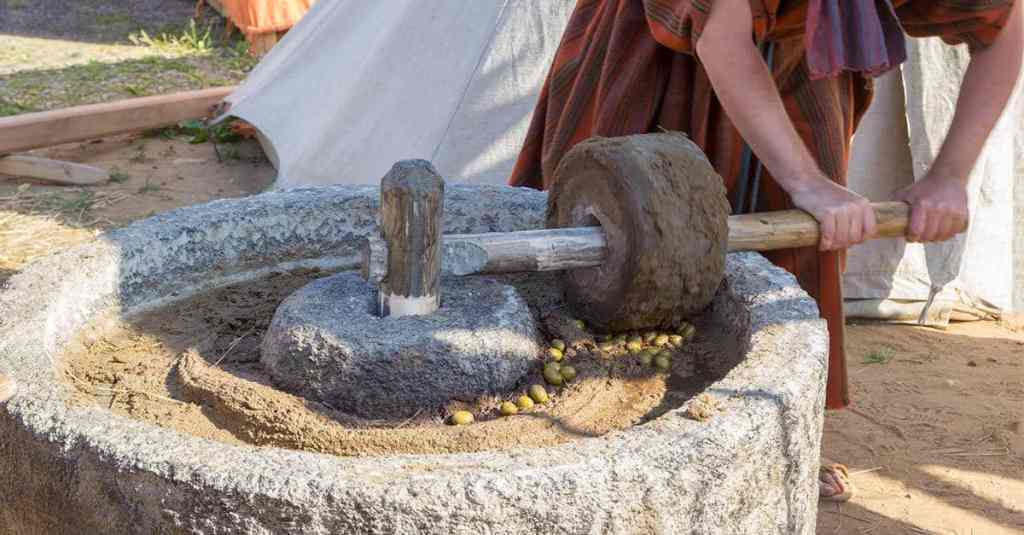
There’s a particular kind of magic that happens in Istria every October and November. The hillsides turn gold, the air carries a faint peppery bite, and the stone olive mills — called frantoi in Italian or uljare in Croatian — hum back to life after a year of quiet. If you’ve only ever tasted Istrian olive oil from a bottle on a restaurant table, visiting a mill during harvest season is a completely different experience. The oil is vivid green, almost shockingly fresh, and the whole process — from crusher to centrifuge to your eager tasting spoon — takes maybe three hours.
We’ve been doing this circuit for years, and we still think it’s one of the best things you can do in Istria. Here’s everything you need to know.
Why Istrian Olive Oil Is Worth the Fuss
Before we get into the mill visits, a quick word on why this matters. Istrian olive oil has won more international awards per capita than almost any other producing region in the world. The combination of indigenous varieties like Buža, Istarska Bjelica, and Črnica, plus the peninsula’s limestone soil and bora wind, produces oils with a distinctive green fruitiness and a long peppery finish that’s immediately recognisable once you’ve experienced it.
Visiting the mills puts that story in context. You see the olives arrive straight from the groves, watch the cold-press extraction, and taste the oil within hours of production — something that simply doesn’t happen anywhere else.
When to Visit: The Harvest Window
The Istrian olive harvest runs from mid-October through late November, with peak activity usually in the first two weeks of November. This is when the mills are running day and night and when you’re most likely to witness the full process in action. Outside of harvest season, most mills still welcome visitors for tastings from their bottled stock — but if you want the full sensory experience of fresh-pressed oil, plan your trip for early November.
A few things to keep in mind: mills during harvest are working facilities, not polished tourist attractions. Expect stone floors, the smell of crushed olives (honestly one of the best smells in the world), and staff who are genuinely busy. Call ahead, be flexible, and you’ll be welcomed warmly.
The Mills Worth Visiting
We’ve narrowed this down to the mills that genuinely welcome visitors and offer a worthwhile tasting experience.
Chiavalon — Vodnjan
Sandi and Sergio Chiavalon are the closest thing Istria has to olive oil celebrities, and their estate near Vodnjan is the most visitor-friendly mill on the peninsula. They’ve invested in proper tasting infrastructure — a dedicated space, guided tastings with food pairings, and staff who can explain the nuances of each variety in detail. Their Sv. Jakov and Otone blends are consistently among the top-ranked oils in international competitions. Book a tasting session in advance; they fill up fast during harvest season.
Ipša — Ipši near Oprtalj
For a more intimate, family-run experience, head to the Ipša estate in the hills above Oprtalj in the Motovun region. The Ipša family has been producing oil here for generations, and a visit feels genuinely personal. Their monovarietal Buža oil is exceptional — herbal, grassy, with a slow-building spice on the finish. The setting alone is worth the drive: old stone buildings surrounded by terraced groves with views across the Mirna valley.
Mate — Buje area
Mate Rovinjanec runs one of the smaller boutique operations in the Buje area, and what he lacks in scale he makes up for in obsessive attention to quality. His Istarska Bjelica is picked early for maximum polyphenols, and the result is one of the most intensely flavoured oils you’ll find anywhere. Visits are informal — you’re more likely to taste oil at his kitchen table than in a dedicated tasting room — but that’s part of the charm.
Olea BB — Barbariga
On the western coast near Barbariga, Olea BB is notable for its location as much as its oil. The grove sits on a promontory overlooking the Adriatic, and the combination of sea air and rocky limestone gives the oils a distinctive mineral quality. Their tastings are relaxed and generous — expect to sample four or five different oils alongside local bread and a glass of Malvazija.
Avistria — Savičenta
Savičenta (Svetvinčenat) is better known for its Renaissance castle than its olive oil, but Avistria has been quietly building a reputation for exceptional Črnica monovarietals. The mill is small and they don’t advertise much, which means visits feel like you’ve been let in on a local secret. Pair a mill visit with a walk around the castle square and lunch at one of the village konobas for a perfect half-day itinerary.
What Happens During a Tasting
If you’ve never done a proper olive oil tasting — as opposed to just drizzling some on bread — here’s what to expect. Most mills will pour you small amounts of oil in blue glass cups (the colour masks the oil so you evaluate on smell and taste rather than appearance). You warm the cup in your hands, nose it like you would a wine, then take a small sip, sucking air through your teeth to aerate it.
You’re looking for three things: fruitiness (green or ripe?), bitterness (on the mid-palate), and pungency (that throat-catching pepper at the finish). In Istrian oils, you’ll almost always find all three in good measure. The bitterness and pungency aren’t flaws — they’re indicators of high polyphenol content, which means the oil is both healthier and fresher.
Between samples, cleanse your palate with plain apple slices or sparkling water. Bread, while delicious with olive oil, will coat your palate and dull your ability to taste the next sample.
Buying Direct: What to Look For
All of the mills above sell direct, and buying from the producer is both better value and more traceable than supermarket oil. When you’re choosing what to take home:
- Check the harvest date, not just the best-before date. You want oil from the most recent harvest, ideally less than 12 months old.
- Dark bottles are better. Light degrades olive oil quickly. Tins are even better than dark glass for long-term storage.
- Ask about variety. Monovarietal oils (single olive variety) will have more distinct character; blends are often more balanced and approachable.
- Buy more than you think you need. You will absolutely run out and wish you’d bought an extra bottle.
Combining Mill Visits With Other Istrian Experiences
Olive mill visits pair naturally with Istria’s other great autumn obsession: truffles. The Motovun forest — where most of Istria’s white truffles are hunted — is just a 20-minute drive from the Ipša estate in Oprtalj. An itinerary that combines a morning mill tasting with an afternoon truffle hunt and dinner in Motovun is one of the all-time great Istrian days.
The Chiavalon estate near Vodnjan also puts you close to Rovinj, Pula’s amphitheatre, and the western coast beaches — so it’s easy to build a full day or weekend around a tasting visit.
Practical Notes
Book ahead. Even the larger mills appreciate a call or email before you turn up, especially during harvest season. Most speak English; if not, a bit of Italian goes a long way in Istria.
Bring cash. Many smaller producers don’t take cards, and you will want to buy oil.
Wear clothes you don’t mind getting oil on. It’s a working mill. Things happen.
Don’t wear perfume or strong cologne. It interferes with the tasting experience and your hosts will quietly judge you.
A mill visit doesn’t need to be a formal or complicated affair. At its simplest, it’s an hour spent in an old stone building, watching something beautiful being made, and going home with a bottle of oil that will make everything you cook for the next month taste better. That’s a pretty good afternoon by any measure.
Want to go deeper on Istrian olive oil? Read our full guide to Istrian olive oil: liquid gold of the Adriatic, or explore all our food and drink coverage in the Istria Food & Wine Guide.
 Istria.me
Leave a comment