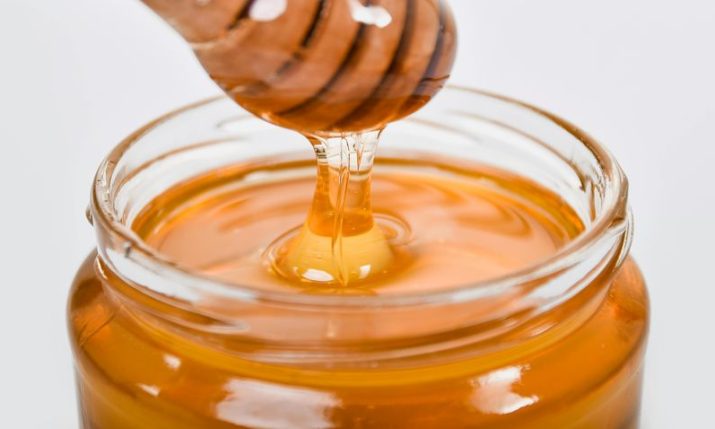
Somewhere between the truffle hunters and the olive oil producers, tucked into a corner of almost every Istrian market and farm shop, is a row of honey jars that most visitors walk straight past. That’s a mistake. Istrian honey is one of the peninsula’s great unsung food stories — shaped by the same diverse flora and limestone landscape that makes everything grown here taste a little more vivid. Here’s what you need to know.
Why Istrian Honey Is Worth Your Attention
Beekeeping has been part of Istrian rural life for centuries. The peninsula’s karst landscape supports an extraordinary diversity of flowering plants — wild sage, rosemary, lavender, carob, acacia, chestnut, heather, and dozens of meadow wildflowers that bloom in succession from early spring through late autumn. Bees here have a longer and more varied forage season than almost anywhere else in Central Europe. The result is a range of honeys that reflect the specific geography of where the hives sit: coastal, inland, forested, or scrubland.
Add to this the fact that Istrian beekeeping has largely escaped the industrialisation that flattened honey production across much of Western Europe, and you have a region where most honey is still produced by small-scale beekeepers who move their hives to follow the flowering seasons and take genuine pride in the purity of what they produce. No blending from multiple countries, no heating that destroys enzymes and aroma. Just honey that tastes like a specific place at a specific time of year.
Sage Honey: The Crown Jewel
If you ask any Istrian beekeeper what they’re proudest of, the answer is almost always sage honey — med od kažlja in Croatian. Wild sage grows abundantly along the Dalmatian and Istrian coasts, and when it flowers in May and June it produces a nectar of unusual intensity. The honey that results is pale gold, almost white when crystallised, with a clean, herbal sweetness and a lingering warmth. It doesn’t taste medicinal the way sage can in cooking — it tastes like distilled Mediterranean sunshine.
Sage honey is produced in limited quantities each year because the flowering window is short and the weather during those weeks determines everything. A good sage honey from a careful producer is one of the finest honeys in the world — genuinely comparable to the great French lavender honeys or Greek thyme honeys that command serious prices. You can find it at markets and farm shops in Istria, usually clearly labelled, often at prices that would make you laugh if you compared them to specialty food shops in London or Berlin.
Other Varieties to Know
Acacia honey (bagremov med) is produced in the valleys and flatter inland areas where black locust trees flower in spring. It’s liquid for longer than most honeys, very light in colour, mildly sweet, and delicate enough to let you taste the flowers rather than just sugar. It’s the honey Istrians reach for when they want something subtle — in tea, drizzled over cheese, or stirred into salad dressings.
Chestnut honey (kestenov med) is the bold choice. It’s dark amber, slightly bitter, with a strong flavour that polarises people — you either love its complexity or find it too assertive. Chestnut forests cover significant stretches of inland Istria and the Kvarner hinterland, and the honey reflects the tannins and mineral depth of those trees. Pair it with aged sheep’s cheese or strong blue varieties for a combination that’s more than the sum of its parts.
Wildflower honey (cvjetni med or livadni med) varies enormously depending on the season and the location of the hives, which is either a source of frustration or delight depending on how you approach it. The best examples capture a whole meadow — complex, aromatic, and impossible to replicate exactly from one year to the next. These are the honeys that reward return visits to the same producer over several years.
Heather honey (vrijeskov med) comes from the late summer flowering of Erica and Calluna heathers, particularly in the limestone scrubland of southern Istria. It has a distinctive gel-like texture when undisturbed, thixotropic in the technical sense, and a rich, slightly resinous flavour. It’s not always easy to find, but worth asking about specifically at markets.
How Istrians Actually Eat Their Honey
The most common use is the simplest: a spoonful straight from the jar, or spread on bread. But Istrian culinary tradition has developed several combinations that work particularly well. Honey with local sheep’s cheese — especially fresh skuta or a younger istarski sir — is a pairing that appears on most agritourism platters and deserves its place there. The salt of the cheese and the floral sweetness of the honey create something that’s easy to keep eating past the point of sensible restraint.
Honey also appears in traditional Istrian pastries and baked goods. The medenjaci (honey biscuits) that appear at Christmas markets and farm celebrations are made with local honey rather than sugar, which gives them a depth of flavour and a soft chewiness that mass-produced versions don’t have. Some cooks add a spoonful to the braising liquid for pork or lamb, where it caramelises against the meat juices and adds a background sweetness without being obvious.
And then there’s medovina — mead, honey wine — which a small number of Istrian producers have started making seriously in recent years. If you encounter a bottle from a local beekeeper, try it. It’s not the syrupy medieval reconstruction you might be imagining. The best Istrian meads are closer to a light, aromatic wine with a floral sweetness that develops as it breathes in the glass.
Where to Find the Best Honey in Istria
The most reliable place to start is at a morning market. Pula’s central market usually has two or three honey vendors with a solid range — ask to taste before you buy, any good producer will expect this. Poreč and Rovinj’s smaller daily markets also tend to have local beekeepers selling direct.
Farm shops throughout the Istrian interior often sell honey alongside cheese, olive oil, and wine. Look for hives as you drive through the countryside — where there are hives, there’s usually a sales point nearby, sometimes just a wooden box on a table outside the house on the honour system. These roadside buys are often the most interesting, because you can ask the beekeeper directly about what’s in the jar and where the hives were during the flowering season.
At food festivals — particularly the autumn harvest festivals that take place across Istria in September and October — you’ll find beekeepers from across the peninsula in one place, which makes comparison easy. Croatia also has a strong national tradition of honey shows and competitions; award stickers on jars from the Croatian beekeeping federation are a reliable indicator of quality.
What to Buy and How to Store It
If you’re buying honey to take home, sage and heather honeys travel best because their flavour intensity can withstand being used gradually over months. Wildflower and acacia honeys are more delicate. Buy raw, unfiltered, unheated honey wherever you can — look for words like sirovi med (raw honey) or ask directly. Pasteurised honey keeps longer but loses the enzymes, pollen, and aromatic complexity that make artisan honey worth buying in the first place.
Crystallisation is not a flaw. Most natural honeys will crystallise over time, especially acacia and wildflower varieties. It means the honey is real and unprocessed. To return it to a liquid state, sit the jar in warm (not hot) water for a few minutes — never microwave it, which destroys everything you paid for.
Istrian honey won’t appear in the food magazine features about the peninsula anytime soon. The truffle hunters and winemakers are too photogenic, the olive oil story too well-established. But for those paying attention, a jar of good sage honey from a roadside beekeeper in the Istrian interior is one of the finest things you can bring home from a trip here. Quietly exceptional, unreasonably affordable, and impossible to find at the same quality anywhere else. That’s rather the story of Istrian food in general.
 Istria.me
Leave a comment