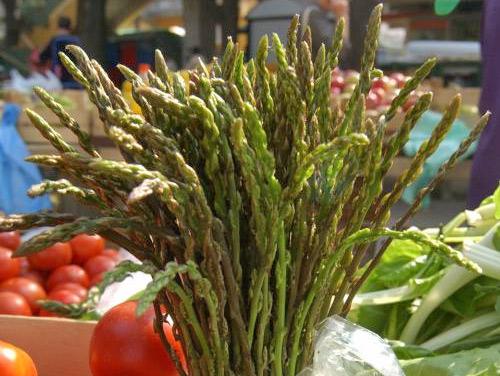
Sometime in mid-March, a quiet restlessness takes hold of the Istrian countryside. Locals start checking the hillsides on their drives to work. Conversations at the market turn to which slopes have been warm enough, whether the rains have come at the right time, who has already found some. The truffle hunters get all the press, but when wild asparagus season arrives, the entire peninsula pays attention. This is šparoge season, and it matters.
What Makes Wild Asparagus Different
Wild asparagus — šparoge or šparuga in the local dialect — is a fundamentally different ingredient from the cultivated spears you find in supermarkets. It grows as thin as a pencil, sometimes thinner, with a slightly woody texture and a flavour that’s more intense, more bitter, and more complex than its farmed cousin. The bitterness is the point: it’s the taste of the land, of mineral-rich limestone soil and salt-tinged air, concentrated into something you can eat.
The plants grow wild in the macchia — the dense scrubland of juniper, myrtle, rosemary, and rock rose that covers much of the Istrian hillsides and coastal areas. They push up through the undergrowth in late February and March, depending on how warm the winter has been, and the window for harvesting the tenderest shoots is short. A few weeks of ideal conditions, then they’re gone until next year. That brevity is half of what makes them precious.
The Foraging Tradition
Foraging for wild asparagus is a family tradition in Istria in the same way that truffle hunting is. Knowledge of which patches to check, which south-facing slopes warm up first, which rocky outcrops reliably produce the thickest shoots — this is passed from parents to children, and people are impressively secretive about their spots. Ask an Istrian where they find their šparoge and you’ll get a smile, a shrug, and a change of subject.
Early morning is the time to go, before the light gets too bright and certainly before anyone else gets there. You walk slowly through the scrub with a bag or a basket, snapping off the tender young shoots by hand — the part above the ground that snaps cleanly is the part you want. The rest of the plant, the scrambling mass of thin green stems, stays in place and will produce more shoots if you don’t strip it completely. Most foragers know not to be greedy; the same plants will feed you again next spring.
If you’re visiting Istria in spring and want to try your hand at foraging, the coast around Rovinj, the hills above Motovun, and the scrubland of the Istrian interior around Pazin are all good territory. Go slowly, look at the base of scrubby vegetation for the thin emerging spears, and come back with realistic expectations — it takes practice to spot them, and your first outing will probably yield a handful rather than a basketful. That’s fine. A handful is enough for the dish that matters most.
Fritaja: The Only Recipe That Counts
There is one dish that defines what Istrians do with wild asparagus, and it’s so simple it barely qualifies as a recipe. Fritaja od šparoga is a soft scrambled egg dish — closer to a French brouillé than a set omelette — made with freshly foraged asparagus, good olive oil, eggs from a nearby farm, and not much else. Salt, pepper, sometimes a little garlic. That’s it.
The technique matters more than the ingredients list. The asparagus is sautéed gently in olive oil until just tender, then the beaten eggs go in over low heat and are stirred slowly and continuously until they just set into soft, creamy folds. The bitterness of the asparagus cuts through the richness of the egg; the olive oil ties everything together. Eat it with good bread, a glass of young Malvazija, and ideally in the garden on a March morning while the season is still fresh. This is one of the best things you can eat in Istria, and it costs almost nothing.
Other Ways Istrians Cook Šparoge
Beyond fritaja, wild asparagus appears across the spring menu in Istrian kitchens and konobas. Risotto is a natural fit — the asparagus is added in two stages, some early to flavour the base stock, some late to keep texture — and a good Istrian asparagus risotto finished with local olive oil instead of butter has a freshness and lightness that’s quite different from the cream-heavy versions you find elsewhere in Europe.
Wild asparagus also appears in pasta dishes, particularly with fuži or pljukanci, tossed with olive oil, garlic, and sometimes a little pancetta or prosciutto. The saltiness of the cured meat plays against the bitterness of the asparagus in a way that feels inevitable once you taste it. Some cooks add a fried egg on top, blurring the line between pasta dish and fritaja in the most satisfying way.
In restaurants, you’ll occasionally find wild asparagus used more elaborately — in salads, as a garnish for fish, puréed into sauces — but the honest truth is that the simpler preparations suit the ingredient better. The bitterness and intensity of wild asparagus is at its best when it’s the main event, not a supporting player in something complicated.
When and Where to Find It
Wild asparagus season in Istria runs roughly from late February to early April, with the peak in mid-March most years. A warm February accelerates it; a cold, wet spring pushes it later. It’s always short, which is why locals treat the arrival of the first šparoge with genuine excitement.
If you’re visiting during the season, Pula’s central market is the most reliable place to buy wild asparagus without foraging yourself. Look for the vendors selling from baskets or small bundles tied with rubber bands — the thinner and greener, the better. Prices are reasonable because the supply, while not unlimited, is genuine and local. You can also find it in smaller quantities at the Rovinj and Poreč markets.
On restaurant menus, look for šparoge specifically — some establishments serve cultivated asparagus and don’t always make the distinction clear. If you’re unsure, ask. The wild version will be thinner, darker green, and noticeably more bitter than farmed spears. Any good agriturismo with its own kitchen will almost certainly be cooking with wild asparagus during the season, and this is arguably the ideal setting to eat it — picked that morning, cooked simply, eaten outside.
Why It Matters Beyond the Plate
Wild asparagus season is a reminder of something Istrian food culture understands and insists upon: that the best ingredients have a time and a place, and trying to extend or replicate them outside that window produces something categorically different. You can eat cultivated asparagus in November if you want. It won’t taste like what Istrians are pulling out of the hillsides in March, and it won’t mean the same thing.
The Istrian food calendar is built around these moments of seasonal intensity — wild asparagus in spring, truffles in autumn, the olive harvest in November. Each one is tied to a specific place and specific conditions, and each one is worth building a trip around if you can. Spring in Istria, with šparoge fritaja for breakfast and Malvazija in the afternoon sun, is a very good time to be here.
 Istria.me
Leave a comment